
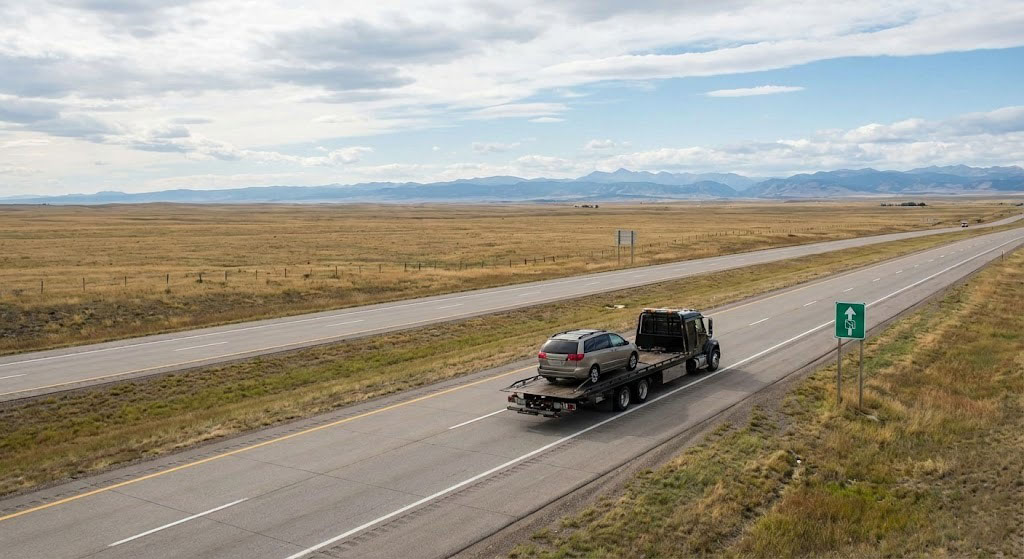
Long Distance Towing from Edmonton: Costs and What to Expect
Whether you’re relocating to another province, buying or selling a vehicle across Alberta, transporting a broken-down car to your hometown, or moving a classic car to a new location, long-distance towing is sometimes the only practical solution. Unlike a quick tow across town, long-distance vehicle transport requires careful planning, the right equipment, and an understanding of costs and timelines.
Long-distance towing from Edmonton can take you anywhere—from Calgary to Vancouver, from Red Deer to Saskatchewan, or even across the country. Understanding how long-distance towing works, what it costs, how to prepare your vehicle, and what to expect during the journey helps you make informed decisions and ensures your vehicle arrives safely at its destination.
This comprehensive guide explains everything you need to know about long-distance towing from Edmonton in 2026—including pricing, preparation, choosing the right service, and what happens during transport.
Need long-distance towing from Edmonton? Call Edmonton Tow Truck at 780-435-2065 for reliable long-distance towing services across Alberta and beyond—24/7.
What Is Long-Distance Towing?
Long-distance towing typically refers to vehicle transport over distances greater than 50–100 kilometers. While local towing moves your vehicle across town or to a nearby repair shop, long-distance towing transports vehicles between cities, provinces, or even across the country.
Common Long-Distance Towing Routes from Edmonton:
- Edmonton to Calgary: Approximately 300 km (most common Alberta route)
- Edmonton to Red Deer: Approximately 145 km
- Edmonton to Vancouver (BC): Approximately 1,200 km
- Edmonton to Saskatoon (SK): Approximately 545 km
- Edmonton to Fort McMurray: Approximately 440 km
- Edmonton to Grande Prairie: Approximately 460 km
- Edmonton to Winnipeg (MB): Approximately 1,300 km
- Cross-country transport: Toronto, Montreal, and beyond
When You Might Need Long-Distance Towing:
- Relocating to another city or province
- Purchasing a vehicle from another region
- Selling a vehicle to an out-of-province buyer
- Transporting a classic, antique, or collector car
- Moving a non-running vehicle to a specialized repair shop
- Breakdown during long-distance travel
- Transporting vehicles for snowbirds (seasonal relocation)
- Moving project cars or barn finds
- We provide safe and reliable motorcycle towing
How Much Does Long-Distance Towing Cost from Edmonton?
Long-distance towing costs vary based on distance, vehicle type, transport method, and timing. Understanding the pricing structure helps you budget and compare quotes.
Typical Long-Distance Towing Costs (2026):
Pricing Structure:
- Base fee: $150 – $250 (covers hookup and first 10–20 km)
- Per kilometer rate: $3 – $5 per km after the base distance
- Flatbed premium: Additional $50 – $100 for flatbed service
- After-hours surcharge: $50 – $100 for nights, weekends, or holidays
- Return trip fees: Some companies charge partial return fees if destination is remote
Example Cost Calculations:
- Edmonton to Calgary (300 km): $1,200 – $1,500
- Edmonton to Red Deer (145 km): $600 – $750
- Edmonton to Vancouver (1,200 km): $4,000 – $6,000+
- Edmonton to Saskatoon (545 km): $2,000 – $2,700
- Edmonton to Fort McMurray (440 km): $1,800 – $2,200
Factors That Affect Long-Distance Towing Costs:
- Distance: The primary cost driver—longer distances cost significantly more
- Vehicle type: Larger, heavier vehicles (trucks, SUVs) cost more than compact cars
- Transport method: Flatbed towing is safer but costs more than wheel-lift
- Road conditions: Winter weather or difficult terrain may increase costs
- Urgency: Expedited service costs more than standard scheduling
- Remote destinations: Towing to remote areas may include return trip fees
- Vehicle condition: Non-running vehicles require winching and extra equipment
How to Get an Accurate Quote:
When calling for a long-distance towing quote, provide:
- Your exact starting location (address or nearest major intersection)
- Your destination address
- Vehicle year, make, model, and weight (if known)
- Vehicle condition (running, non-running, damaged)
- Preferred transport method (flatbed or wheel-lift)
- Timeframe (urgent or flexible scheduling)
Call 780-435-2065 for a detailed quote based on your specific long-distance towing needs.
Types of Long-Distance Towing Services
Different situations require different towing methods. Understanding your options helps you choose the safest and most cost-effective solution.
1. Flatbed Towing (Recommended for Long Distances)
Flatbed towing is the gold standard for long-distance transport. Your vehicle is loaded onto a flat platform and secured so all four wheels are off the ground. This eliminates tire wear, drivetrain stress, and road hazards.
Benefits of Flatbed Long-Distance Towing:
- All four wheels off the ground—no mileage added to your odometer
- Safest option for AWD, 4WD, luxury, and low-clearance vehicles
- Protection from road debris, weather, and highway hazards
- Ideal for non-running or damaged vehicles
- Best for high-value vehicles (classics, sports cars, collectors)
Edmonton Tow Truck offers professional flatbed towing services for safe, secure long-distance transport.
2. Wheel-Lift Towing
Wheel-lift towing lifts the front or rear wheels off the ground while the other wheels roll on the road. This method is faster and more economical for shorter long-distance tows but not ideal for all vehicles.
Best For:
- Rear-wheel-drive vehicles (front wheels lifted)
- Shorter distances (under 200 km)
- Running vehicles in good condition
Not Recommended For:
- AWD or 4WD vehicles (can damage drivetrain)
- Very long distances (excessive tire wear)
- Low-clearance or luxury vehicles
3. Dolly Towing
A tow dolly lifts two wheels onto a small wheeled platform while the other two wheels roll on the road. This is less common for professional long-distance towing but sometimes used for specific situations.
4. Multi-Car Transport Carriers
For scheduled, non-urgent transport (such as vehicle purchases or relocations), multi-car carriers can transport several vehicles at once. This is more economical but requires flexible timing and may take several days.
Preparing Your Vehicle for Long-Distance Towing
Proper preparation ensures your vehicle arrives safely and helps avoid delays or complications during transport.
Pre-Towing Checklist:
1. Clean Your Vehicle
- Wash the exterior to make pre-tow inspection easier
- Clean the interior and remove all personal items
- A clean vehicle makes it easier to spot any damage before and after transport
2. Remove or Secure Personal Belongings
- Remove all valuables, electronics, and personal items
- Empty the glove box and center console
- Remove loose items from the trunk
- Towing companies are not responsible for personal items left in vehicles
3. Document Your Vehicle’s Condition
- Take photos from all angles (front, back, sides, wheels, interior)
- Note any existing damage (scratches, dents, chips)
- Record the odometer reading
- This documentation protects you if damage occurs during transport
4. Check Fluid Levels
- Top up coolant, oil, brake fluid, and windshield washer fluid
- Fix any leaks before transport
- Ensure the gas tank is no more than 1/4 full (reduces weight and fire risk)
5. Check Tire Pressure
- Inflate tires to manufacturer-recommended pressure
- Check for damaged or flat tires
- Proper tire pressure helps with loading and prevents damage
6. Secure or Remove Loose Parts
- Secure or remove antennas, spoilers, and custom accessories
- Fold in side mirrors
- Ensure nothing can shake loose during transport
7. Disable Alarms and Remove Toll Tags
- Turn off car alarms to prevent triggering during transport
- Remove toll transponders (407 ETR, etc.) to avoid charges
8. Provide Keys and Documentation
- Provide one set of keys to the tow operator
- Keep a spare set for yourself
- Have your vehicle registration and insurance information ready
What to Expect During Long-Distance Towing
Understanding the process helps you know what to expect from pickup to delivery.
Step 1: Scheduling and Confirmation
- Call to get a quote and schedule your towing date
- Receive confirmation with pickup time and cost estimate
- Get the driver’s contact information and estimated arrival time
Step 2: Vehicle Pickup
- The tow operator arrives at your location
- Both you and the operator inspect the vehicle and document its condition
- The vehicle is loaded onto the tow truck using the agreed method (flatbed, wheel-lift)
- The vehicle is secured with straps, chains, and wheel chocks
- You sign paperwork authorizing the tow and confirming the vehicle’s condition
Step 3: Transport
- Your vehicle is transported to the destination
- Professional operators drive safely and follow highway regulations
- Transit time depends on distance (local trips: same day; long hauls: 1–3+ days)
- Some companies provide GPS tracking or status updates
Step 4: Delivery
- The driver contacts you when approaching the destination
- Your vehicle is unloaded and inspected
- You inspect the vehicle for any new damage
- Sign delivery paperwork confirming receipt
- Payment is typically due upon delivery (cash, card, or pre-arranged billing)
Choosing the Right Long-Distance Towing Company
Not all towing companies offer long-distance services or have the experience for safe, reliable transport. Here’s what to look for.
Key Qualities of a Reliable Long-Distance Towing Service:
- Experience with long-distance towing: Ask how often they handle long hauls and what routes they serve
- Proper equipment: Flatbed trucks, secure tie-downs, and well-maintained vehicles
- Licensed and insured: Verify licensing and insurance coverage for long-distance transport
- Transparent pricing: Clear quotes with no hidden fees or surprise charges
- Good reputation: Check reviews and ask for references from previous long-distance customers
- Communication: Responsive customer service and updates during transport
- Damage protection: Ask about insurance coverage and procedures for handling damage claims
Questions to Ask Before Booking:
- What is the total cost, including all fees?
- What is included in the quote (distance, after-hours, fuel surcharges)?
- What type of tow truck will be used?
- How long will the transport take?
- What insurance coverage is provided?
- What happens if the vehicle is damaged during transport?
- Can I track my vehicle during transport?
- What payment methods do you accept?
Long-Distance Towing vs Vehicle Shipping: What’s the Difference?
While often used interchangeably, there are differences between traditional towing and vehicle shipping services.
Long-Distance Towing:
- Direct transport by a single tow truck
- Typically faster (immediate or next-day service)
- More expensive per kilometer
- Best for urgent situations, breakdowns, or shorter long-distance moves
Vehicle Shipping (Auto Transport):
- Transport via multi-car carriers
- Scheduled service (may take several days to weeks)
- More economical for very long distances
- Best for planned relocations, vehicle purchases, or non-urgent transport
For most Edmonton-area long-distance needs (Calgary, Red Deer, Fort McMurray, etc.), direct towing is faster and more practical. For cross-country moves, vehicle shipping may be more cost-effective.
Insurance and Liability for Long-Distance Towing
Understanding insurance coverage protects you financially if something goes wrong during transport.
What’s Typically Covered:
- Damage caused by towing company negligence
- Accidents during transport
- Damage during loading and unloading
What’s Usually Not Covered:
- Pre-existing damage
- Damage to personal items left in the vehicle
- Mechanical failures unrelated to towing
- Normal wear and tear
Protection Tips:
- Document your vehicle’s condition before transport (photos, written notes)
- Ask about the towing company’s insurance coverage limits
- Check if your auto insurance covers towing-related damage
- Inspect your vehicle carefully upon delivery before signing paperwork
- Report any damage immediately
Common Long-Distance Towing Mistakes to Avoid
Avoid these common errors to ensure smooth, problem-free transport.
Mistakes to Avoid:
- Choosing the cheapest option without research: Extremely low quotes may indicate poor service or hidden fees
- Not preparing your vehicle properly: Failure to remove items or secure loose parts can cause damage
- Leaving valuables in the vehicle: Personal items are not covered by insurance
- Not documenting vehicle condition: Without photos, proving pre-existing damage is difficult
- Not reading the contract: Understand terms, fees, and liability before signing
- Using unlicensed or uninsured companies: Saves money upfront but creates risk if problems arise
- Waiting until the last minute: Booking early gives you better rates and more flexibility
Service Areas for Long-Distance Towing from Edmonton
Edmonton Tow Truck provides long-distance towing services from Edmonton to destinations across Alberta and beyond:
- Calgary, Red Deer, Lethbridge
- Grande Prairie, Fort McMurray, Peace River
- Jasper, Banff, Canmore
- Medicine Hat, Brooks, Drumheller
- British Columbia (Vancouver, Kelowna, Prince George)
- Saskatchewan (Saskatoon, Regina, Prince Albert)
- Manitoba (Winnipeg, Brandon)
- Cross-country transport available
We also provide towing to Sherwood Park, St. Albert, Spruce Grove, and all surrounding communities. View our complete service area coverage.
Frequently Asked Questions
How much does it cost to tow a car from Edmonton to Calgary?
The cost to tow from Edmonton to Calgary (approximately 300 km) typically ranges from $1,200 to $1,500 depending on vehicle type, transport method, and timing.
How long does long-distance towing take?
Transit time depends on distance. Edmonton to Calgary takes 3–4 hours. Edmonton to Vancouver can take 12–16 hours of driving time, typically completed over 1–2 days with rest stops.
Is flatbed or wheel-lift better for long-distance towing?
Flatbed is generally better for long distances because it keeps all wheels off the ground, preventing tire wear, drivetrain stress, and road hazards. It’s especially important for AWD, luxury, and high-value vehicles.
Can I ride in the tow truck during long-distance towing?
Most professional towing companies do not allow passengers for liability and insurance reasons. Plan separate transportation for yourself.
Do you provide same-day long-distance towing?
For shorter long-distance routes (Edmonton to Calgary, Red Deer, Fort McMurray), same-day service is often available. Call 780-435-2065 to check availability.
What if my vehicle breaks down during long-distance travel?
If you break down on the highway between cities, call for emergency towing service. We’ll tow you to the nearest repair shop or to your destination.
Can you tow non-running vehicles long distances?
Yes. Flatbed towing is ideal for non-running vehicles. We use winches to load vehicles that cannot be driven onto the truck.
Do you tow RVs, trucks, and larger vehicles long distances?
Yes. We provide heavy-duty towing services for RVs, trucks, trailers, and commercial vehicles for long-distance transport.
What payment methods do you accept?
We accept cash, debit, and credit cards. For commercial accounts, we can arrange invoicing and payment terms.
Can I track my vehicle during transport?
We provide updates during transport and can arrange check-ins for longer hauls. Contact us at 780-435-2065 for real-time updates.
Get Reliable Long-Distance Towing from Edmonton
Long-distance towing requires experience, proper equipment, and commitment to safety. Whether you’re moving across Alberta or across the country, Edmonton Tow Truck provides professional long-distance transport you can trust.
Need long-distance towing from Edmonton? Call 780-435-2065 now for a detailed quote and reliable service—24/7.
For more information, visit our long-distance towing page or explore our complete range of towing services.